BMW Unveils Fifth-Generation X5 with New Electric iX5 and Hydrogen Variant

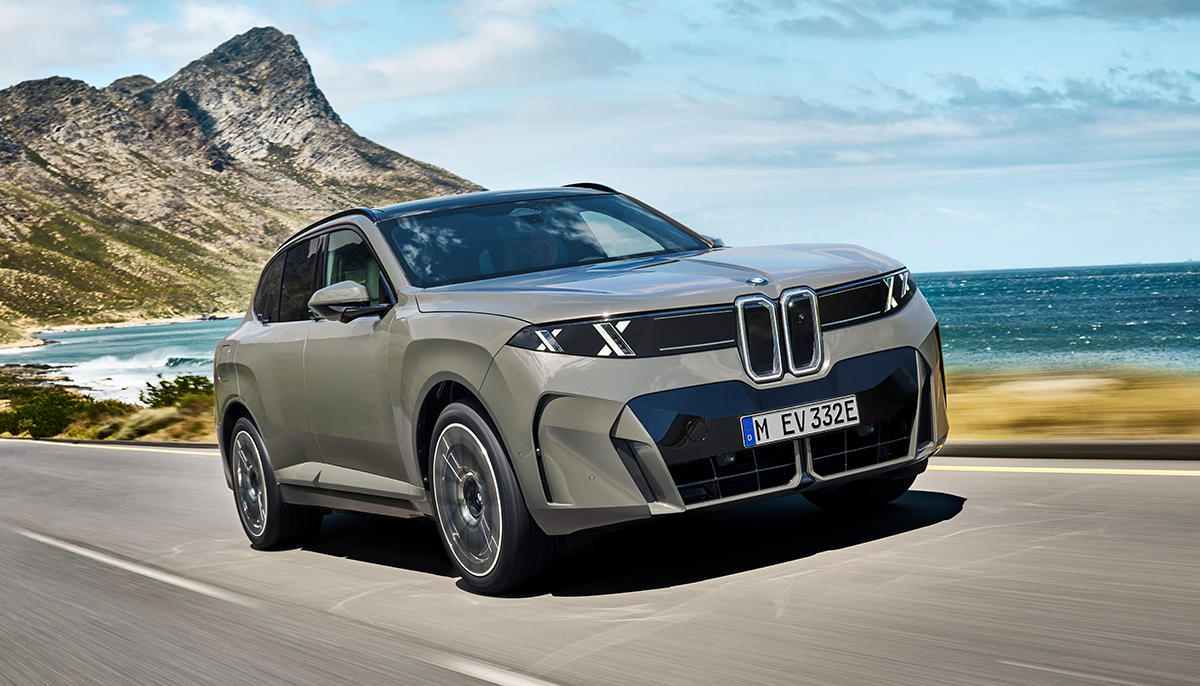
BMW has pulled the wraps off the fifth-generation X5, marking the biggest evolution of its luxury SUV since the model first appeared in 1999.
Alongside a fresh design and a thoroughly modernized cabin, the new X5 introduces the broadest range of powertrains ever offered on the nameplate, including an all-electric iX5 and a hydrogen-powered version that is scheduled to arrive later.


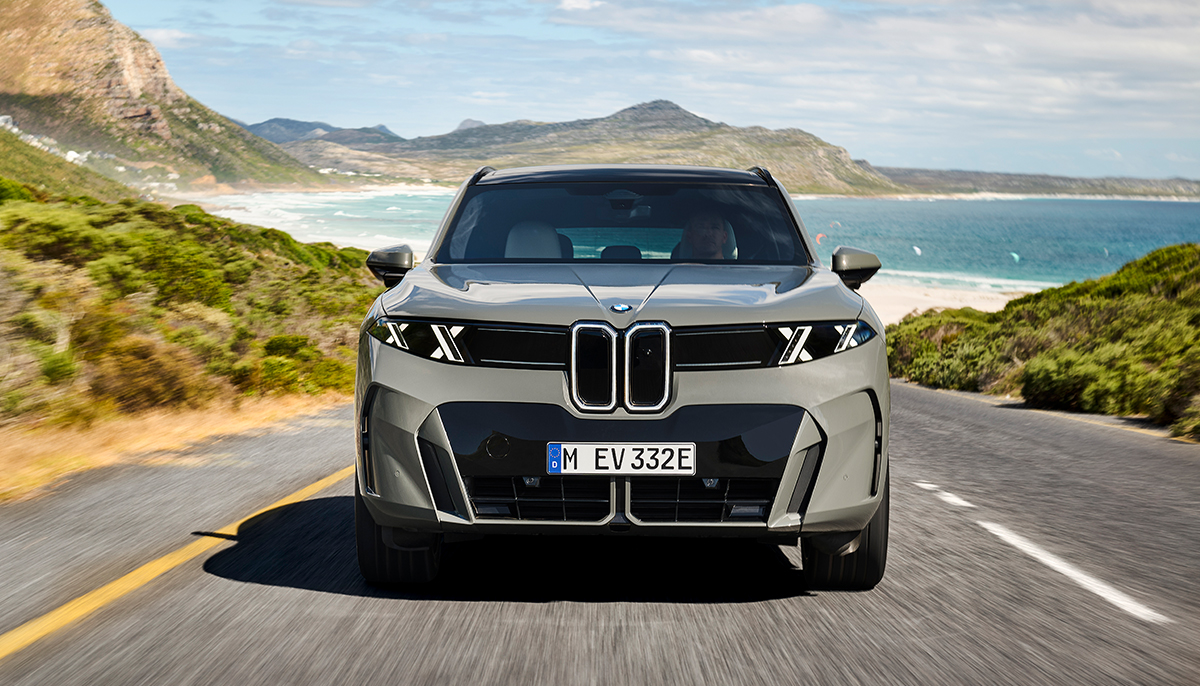
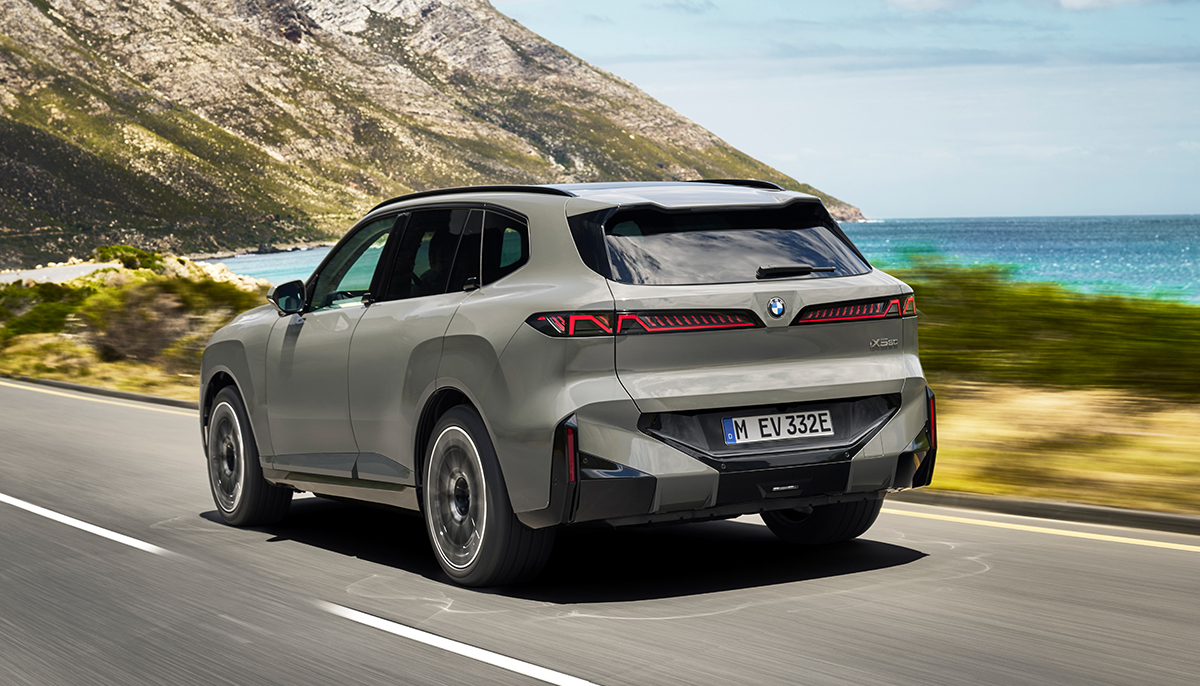
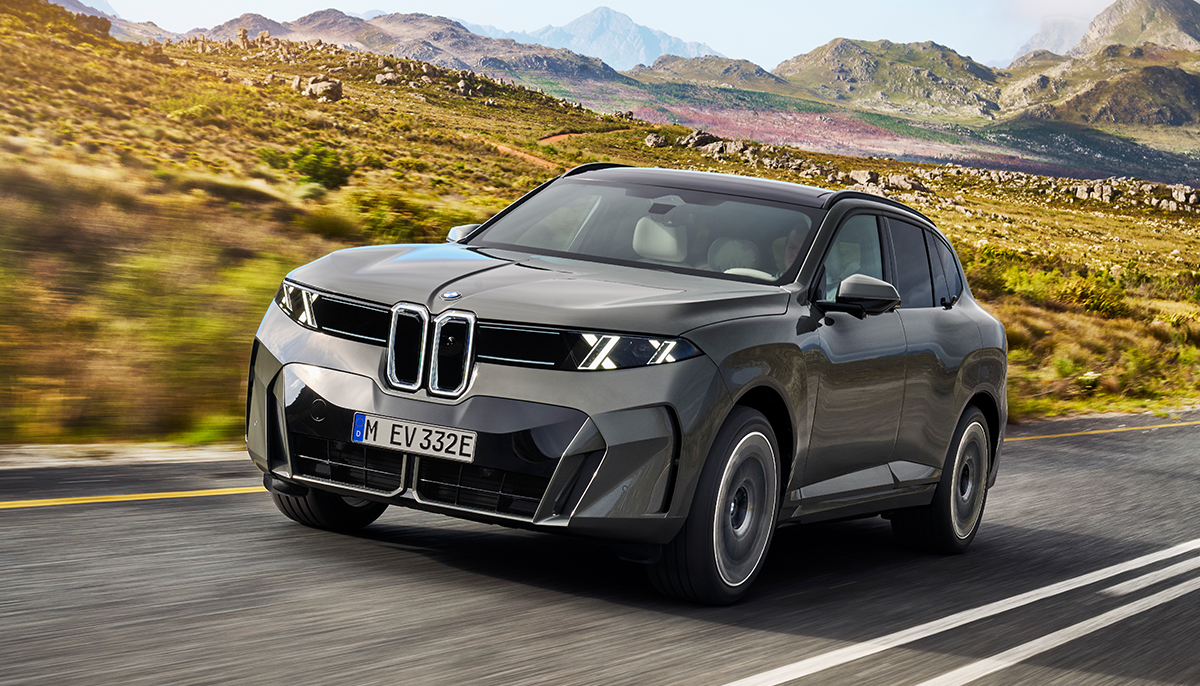
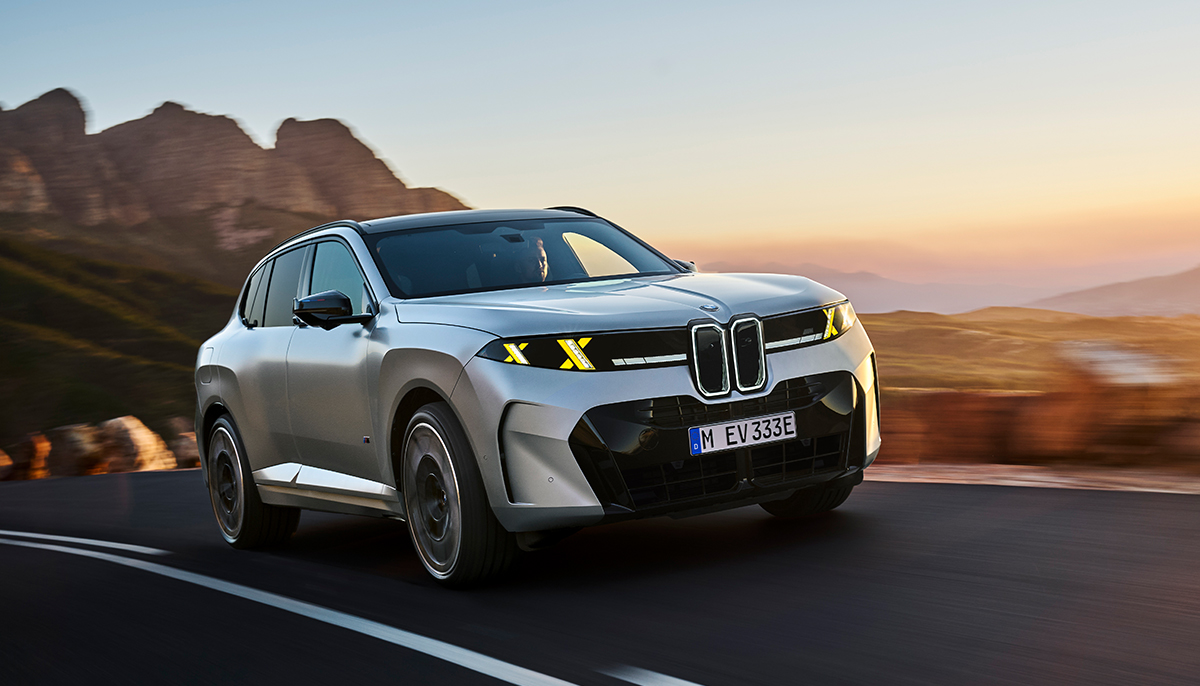
The latest X5 adopts BMW's Neue Klasse-inspired styling, moving away from the more sculpted appearance of its predecessor in favour of cleaner lines and a more upright stance. The front end features slimmer headlights with distinctive X-shaped daytime running lights, an illuminated kidney grille and a simplified bumper design.



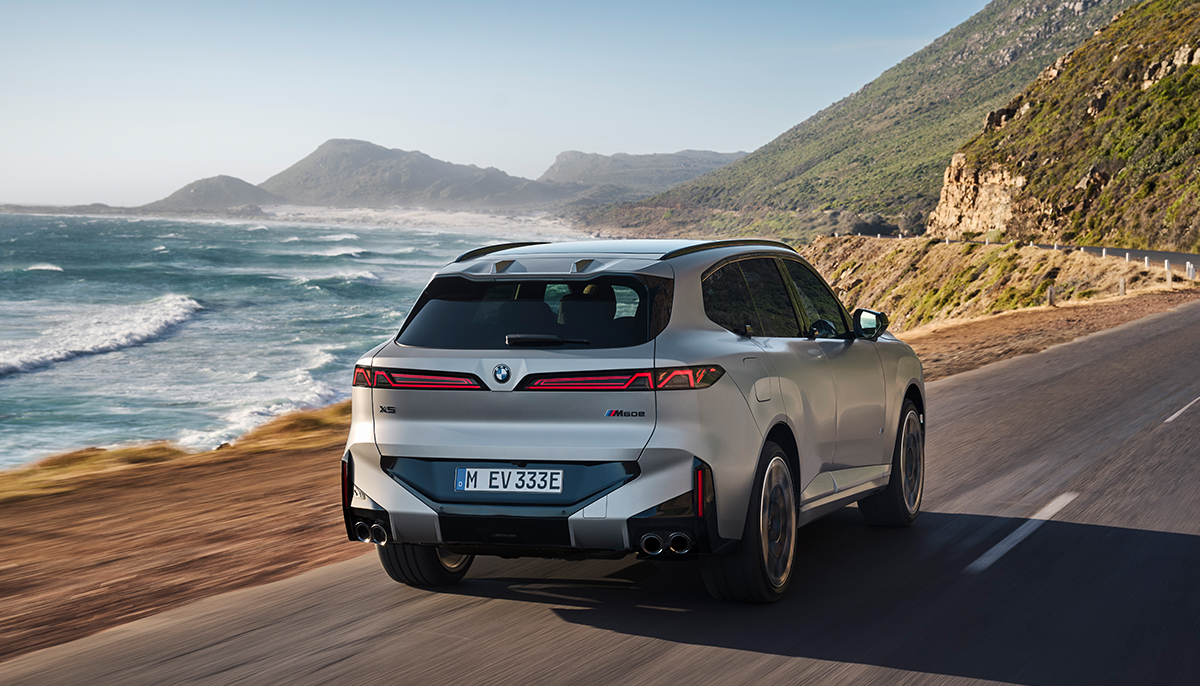
Along the profile, conventional door handles have been replaced by discreet electrically operated tabs integrated into the pillars, while redesigned LED taillights and new bumper treatments distinguish the rear. BMW will also offer multiple wheel designs measuring up to 23 inches, along with M Sport styling packages for buyers seeking a more aggressive appearance.
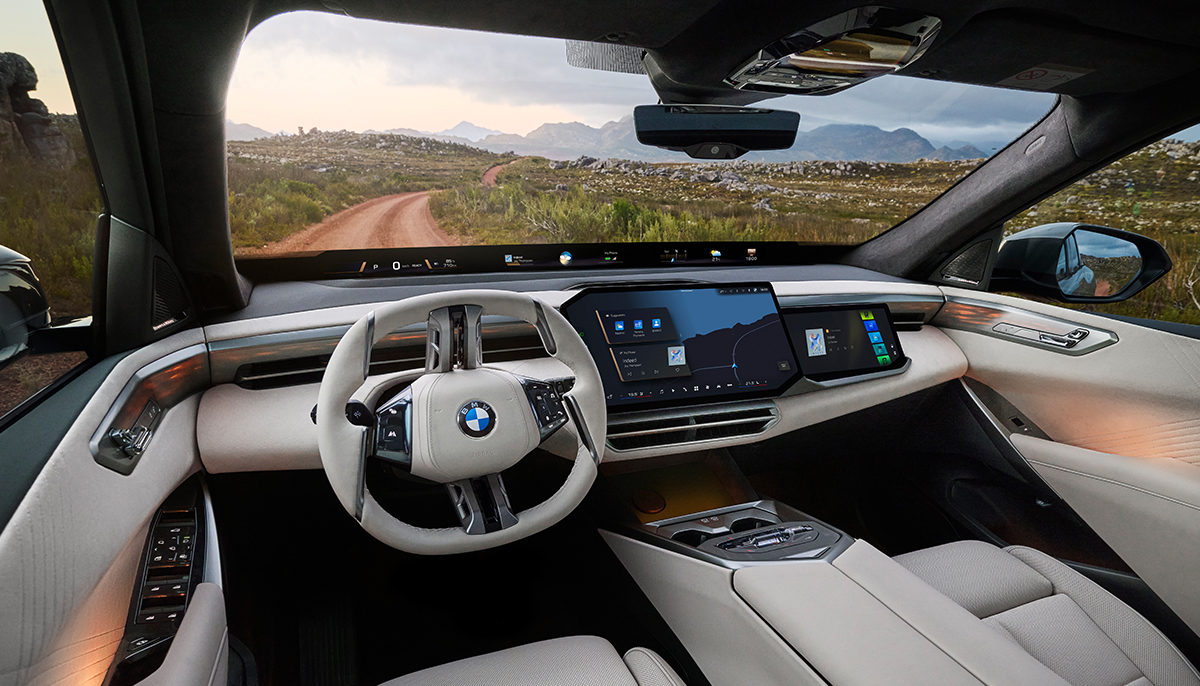
The transformation continues inside, where BMW has introduced an entirely new dashboard layout focused on digital interaction. Instead of the traditional instrument cluster, the SUV uses the company's latest Panoramic iDrive system, projecting key driving information across the base of the windscreen.
A 17.9-inch central infotainment display is paired with an optional 14.6-inch passenger screen, all running BMW Operating System X. Depending on the variant, the X5 can also be equipped with ventilated and massaging front seats, a panoramic glass roof, soft-close doors, four-zone climate control, ambient lighting and a premium Bowers & Wilkins sound system.
In terms of powertrain, buyers will have more choices than ever before. Petrol and diesel variants continue with 3.0-litre inline six-cylinder engines supported by 48-volt mild-hybrid technology and an eight-speed automatic transmission.
Electrified options expand the lineup further with two plug-in hybrid models.
The X5 50e combines a turbocharged petrol engine with an electric motor to produce 360 kW and 700 Nm, while the range-topping M60e increases output to 450 kW and 800 Nm. Both models use a 26.5 kWh battery that allows an electric-only driving range of up to 102 kilometres.
The biggest headline is the arrival of the BMW iX5, the first battery-electric X5. Using BMW's latest sixth-generation eDrive technology, the dual-motor all-wheel-drive SUV delivers 425 kW and 805 Nm.
A large 141 kWh battery provides a claimed driving range of up to 845 kilometres, while its 800-volt electrical architecture enables DC fast charging at up to 460 kW, allowing the battery to recharge from 10 to 80 percent in around 23 minutes. The iX5 also supports 22 kW AC charging and bidirectional charging capability.
BMW has also confirmed that the X5 family will eventually gain a hydrogen-powered member. The upcoming iX5 Hydrogen combines a fuel-cell system with newly developed hydrogen storage technology and a high-voltage battery, targeting a driving range of up to 750 kilometres. It will become BMW's first series-production hydrogen-powered model once it enters the market.
Beyond its new powertrains, BMW says the latest X5 has been engineered to deliver improved ride quality. Adaptive suspension is now standard, while higher-spec variants can be equipped with Adaptive Chassis Control Professional featuring active roll stabilisation.
The SUV also receives BMW's latest Level 2 driver assistance systems and updated software designed to improve safety and everyday usability.
Global deliveries of the petrol and diesel models are expected to begin later this year, while plug-in hybrid and all-electric variants are scheduled to arrive during early 2027. The hydrogen version will follow at a later stage.
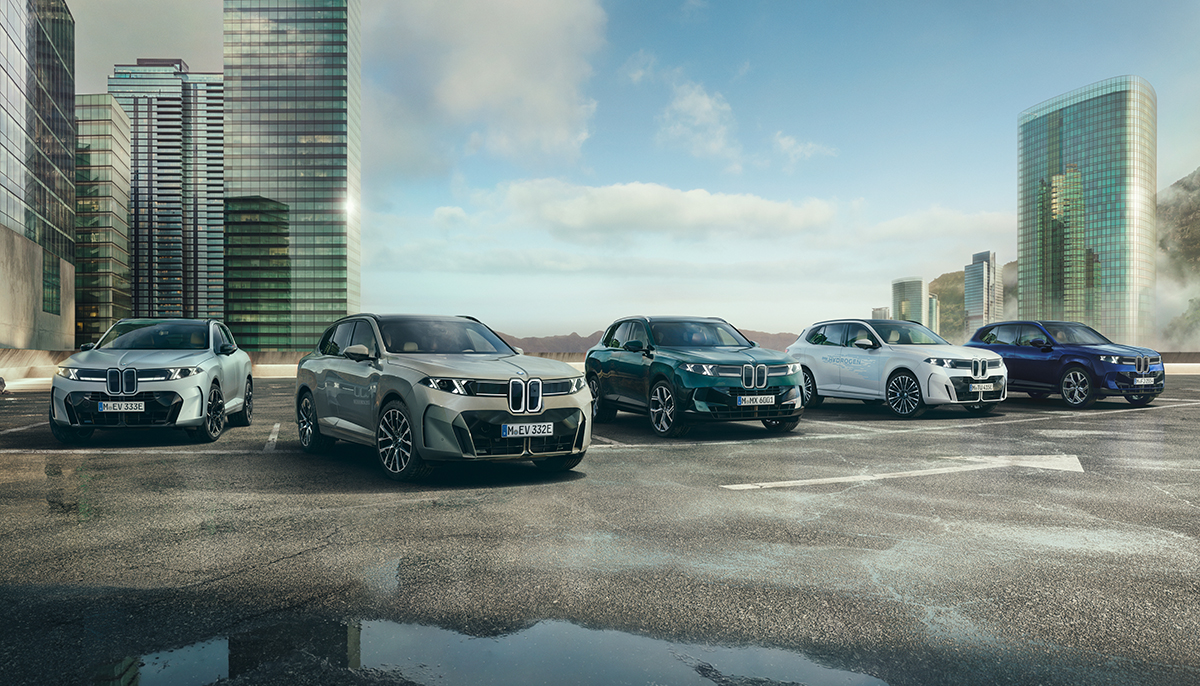
Although the introduction of the iX5 significantly expands BMW's electric SUV portfolio, its prospects for Nepal appear slim.
Positioned above the iX1 and the iX3 in the brand's local lineup, the iX5 would enter a market where premium electric vehicles have become considerably more expensive following recent revisions to Nepal's EV taxation.
The impact of those changes is already evident with the BMW iX1, whose price has jumped from Rs 1.99 crore to Rs 3.29 crore.
With the iX5 expected to command an even higher price globally, introducing it to Nepal would be commercially difficult under the current tax structure. As things stand, the flagship electric SUV is unlikely to reach Nepalese showrooms despite its global debut.